A habitat-first itinerary begins with a different question: what does this place need visitors to understand? Wetlands move, forests shelter life out of sight, and upland refuges can be vulnerable precisely because they look empty. Protected status gives a landscape a legal framework, but it does not tell you whether a particular excursion is well managed.
Use these dossiers to compare decisions rather than rank destinations. Each landscape has its own governance, pressures and access arrangements. A quieter season may reduce crowding while introducing breeding sensitivities, difficult roads or greater pressure on limited water. There is no universal month in which a trip becomes harmless.
Okavango Delta: let water shape the plan
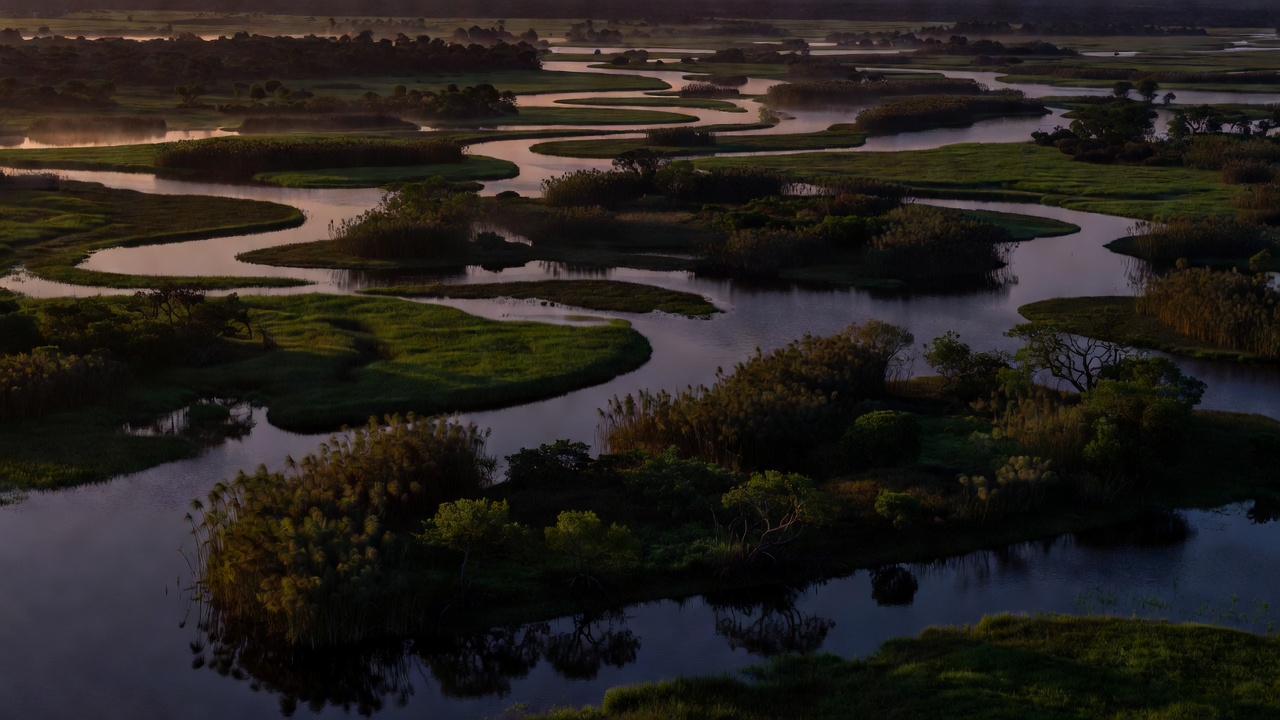
The Okavango Delta in Botswana is an inland wetland recognised on UNESCO's World Heritage List. Its seasonal flood pulse influences habitats and access, but water conditions do not follow a simple promise printed in a brochure. The experience can differ substantially between areas and years.
Distinguish an itinerary in Moremi Game Reserve from one operating in a surrounding concession. Ask which authority sets the rules, what activities are permitted and how the operator handles vehicle concentration at sightings. Permission for an activity in one area does not make it appropriate or legal everywhere else.
For a mokoro outing, ask about route choice, guide competence, safe distances and decisions around large animals. Quiet propulsion is not a substitute for judgement. For game drives, question off-road policies and whether a sighting is abandoned when animals show avoidance or vehicles accumulate. Expect routes and activities to change with conditions.
Osa Peninsula: value what remains hidden
Costa Rica's Osa Peninsula includes Corcovado National Park and a wider landscape of forests, settlements and working land. The park is not interchangeable with every accommodation property advertised as being “in Corcovado”. Establish exactly where you will stay and where the proposed walks take place.
Check current entry arrangements, authorised guiding requirements and trail conditions with Costa Rica's National System of Conservation Areas, SINAC. Admissions and access procedures can change. A seller's assurance is not a replacement for the authority's current instructions, particularly when an itinerary depends on a particular station or route.
Forest observation rewards patience. A guide who interprets tracks, vegetation and distant calls can make a walk meaningful without playing calls repeatedly or gathering visitors around a resting animal. Ask whether night walks enter sensitive habitat and whether lighting protocols limit disturbance. Avoid operators who promise close views of elusive mammals.
Beyond the park boundary, ask how a lodge's grounds connect to neighbouring habitat, how wastewater is managed and whether local guides have a meaningful role. Attractive planting alone is not evidence of a functioning wildlife corridor.
Cairngorms: give quiet places room
The Cairngorms National Park in Scotland combines settlements, forestry, estates, uplands and important wildlife habitat. It is a lived-in landscape, not a fenced wildlife collection. Public access responsibilities matter alongside the opportunities to walk and observe.
Consult the Scottish Outdoor Access Code and current local advice. Follow seasonal signs, keep dogs under appropriate control and avoid pursuing birds or mammals for a photograph. Sensitive woodland species, including capercaillie, can be harmed by disturbance; seeking a location because a rare species has been reported there can add pressure rather than understanding.
Choose established viewing opportunities and guides who will not disclose or approach vulnerable sites. A long lens does not excuse leaving a route, and an apparently distant bird may still be reacting to your presence. Conditions in upland terrain also demand realistic safety planning, suitable equipment and a willingness to turn back.
A destination is not a backdrop. Its limits belong in the itinerary.
Compare the conditions, not the trophies
Before selecting any biodiversity hotspot, write down its main visitor pressures, current access rules and the authority responsible for them. Then ask how the proposed trip responds. If the answers concern only room quality and likely species counts, important parts of the decision remain missing.
Consider whether a nearer landscape can meet your interest in ecology with fewer transfers. If you travel farther, allow enough time to understand one place rather than rushing between several. Neither choice automatically produces a conservation benefit; the value depends on conduct, governance and outcomes, not distance alone.
Primary starting points
- UNESCO: Okavango Delta — designation and landscape context.
- SINAC — Costa Rica's protected-area authority.
- Cairngorms National Park Authority — local visitor guidance.
- Scottish Outdoor Access Code — responsible access principles.